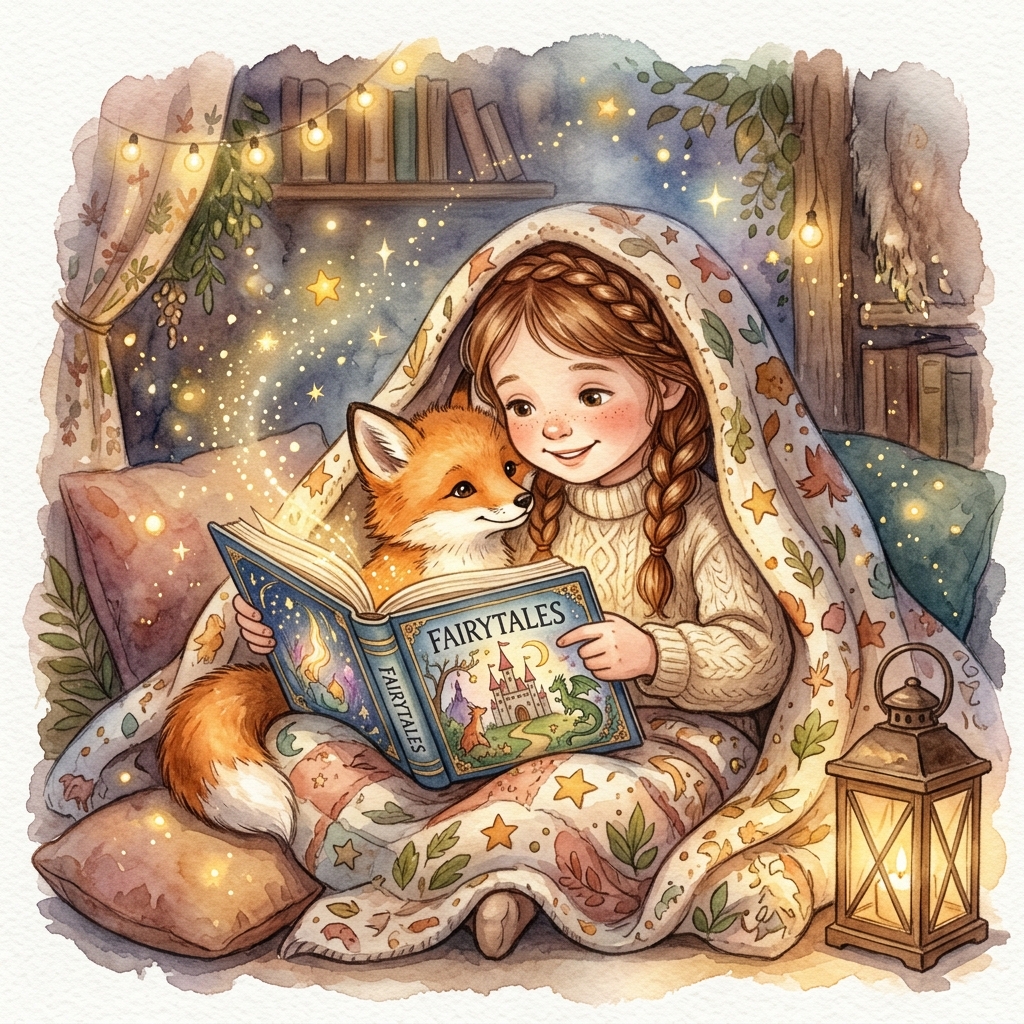
The Power of Fairy Tales: How Shared Stories Build Empathy
How Shared Stories Cultivate Emotional Intelligence
In a world increasingly connected by technology but often disconnected in human empathy, parenting researchers are looking back at one of humanity’s oldest educational tools: the fairy tale. Recent studies in developmental psychology suggest that shared reading of fictional stories provides an ideal environment for toddlers to develop empathy, emotional regulation, and theory of mind.
The Psychology of Fictional Worlds
When children engage with stories, they place themselves in the characters’ shoes. This process, known in cognitive science as narrative transport, allows children to experience complex emotional scenarios from a safe distance.
How Shared Reading Shapes Empathy
Understanding Diverse Perspectives: Following characters from different backgrounds and settings teaches children that others have thoughts, feelings, and motives different from their own, a critical milestone in social development.
Labeling Complex Emotions: Stories expose children to vocabulary for complex feelings like jealousy, hope, loneliness, and bravery.
Conflict Resolution Skills
Discussing these emotions in a story makes it easier for children to identify and manage them in real life.
Fairy tales often present moral dilemmas and social conflicts.
Tips for Empathy-Focused Reading
Seeing how a clever fox or a kind forest creature navigates challenges helps kids learn positive cooperation and problem-solving.
To foster empathy through reading, pause during emotional scenes. Ask questions like: “Why do you think the little bear is feeling sad?” or “How could the other forest friends make him feel better?” This transforms a simple bedtime story into a rich, emotion-coaching experience.